Price Timing
The Beauty Sales Worth Waiting For
Beauty discounts run constantly, which makes most of them meaningless. A calendar of when prices actually drop, and which categories never do.
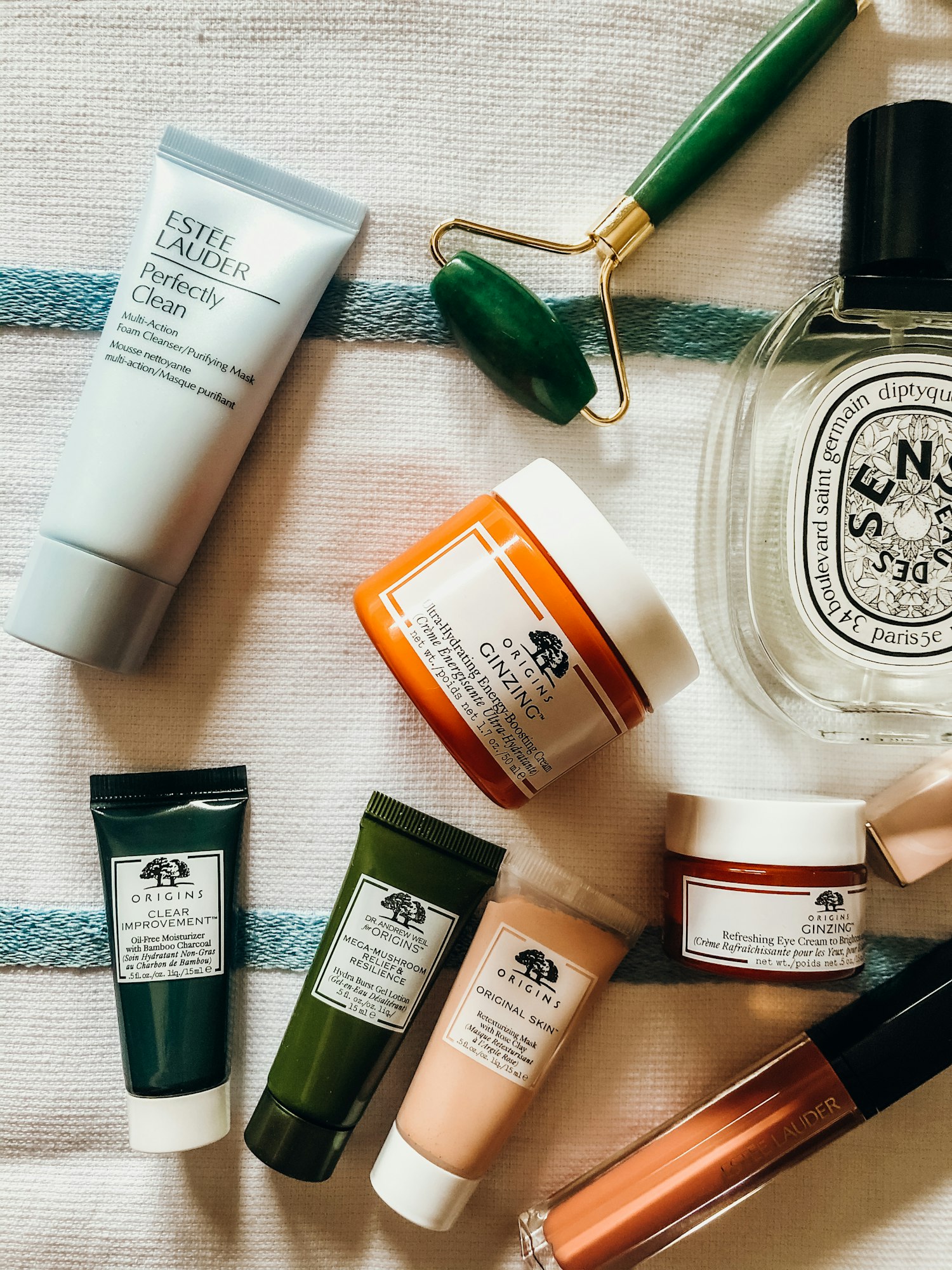
Beauty is a category in permanent sale. There is always a promotion, always a code, always a “40% off sitewide” banner. That constant discounting has an odd effect: it makes genuine value harder to spot, because the reference price has lost meaning.
This is about when prices actually drop, and which parts of the category are worth waiting for.
The real discount calendar
| Period | What actually discounts | Depth |
|---|---|---|
| Prime Day (July) | Mass-market skincare, devices, tools | 20–40% |
| Black Friday / Cyber Monday (Nov) | Almost everything, including prestige | 20–50% |
| January | Skincare, “new year” positioning | 15–30% |
| May (Memorial Day) | Mass-market, sunscreen, body care | 15–25% |
| September (post-summer) | Sun care clearance, brightening | 30–50% |
| Brand anniversaries | Brand-specific, often gift-with-purchase | Variable |
| Retailer loyalty events | Prestige brands, bundled value | Effectively 20–35% |
Everything outside these windows is mostly noise. A 15 percent discount in March is not a reason to buy something you were not already going to buy.
Categories where waiting pays
Devices. Hair dryers, flat irons, LED masks and facial tools discount hardest and deepest. A device at 40 percent off is common during Black Friday; waiting six weeks can save $80 to $150.
Prestige skincare. Brands that rarely discount often participate in retailer loyalty events with bundled value rather than percentage cuts. A gift-with-purchase that includes three deluxe samples is frequently worth more than 20 percent off.
Sunscreen, in September. Seasonal clearance is real, and sunscreen has a long shelf life if unopened. Buying next summer’s supply in September is one of the few genuinely smart beauty purchases.
Gift sets, in January. Brands break down unsold holiday sets and sell the contents individually or at steep discounts. The product is identical to what was in the set.
Categories where waiting does not pay
Mascara. Replace every three months. Waiting for a sale means wearing old mascara. Buy the cheap one and replace it on schedule.
Anything you will run out of. A discount on a product you need next week is not a discount, it is a delay.
Prescription or medicated products. These do not follow promotional calendars.
Products you have never tried, in bulk. A 40 percent discount on four units of something that breaks you out is a 100 percent loss.
How to tell a real discount from a fake one
Three checks:
- Compare against the actual street price, not the list price. Many products have a “list price” they have not sold at in two years. The relevant comparison is what the product cost last month.
- Check the seller. On marketplaces, the same product can be listed at 30 percent above retail by a third-party seller. The discount may be imaginary.
- Check the size. Brands frequently introduce “value sizes” that are more expensive per ounce, and sale packs that are smaller than the standard.
A price tracker is worth setting up for anything over $50. For anything under $50, the time spent tracking costs more than the potential saving.
A note on stock-up logic
The instinct to stock up during a sale is usually wrong for skincare and right for consumables.
- Skincare: actives degrade. Vitamin C oxidises. Retinol loses potency. Buying three bottles of a serum in November means the third is degraded by the following autumn.
- Body care, shampoo, basics: stable formulas, long shelf life. Stocking up is reasonable.
- Makeup: powders last for years; creams and liquids do not. Stock up on powder, not on foundation.
What we do not do
We do not publish “deal” posts that repackage a retailer’s affiliate promotion as editorial judgement. If a product is featured here, it is because the category economics are worth explaining, not because a commission rate is high.
Links on this page go to retailer search results. Prices in this category move weekly, and any specific figure we print would be wrong within days — check the current price rather than trusting a number in an article.
Bottom line
Wait for the four real windows — July, November, January and September clearance — and buy devices and prestige skincare then. Buy mascara and anything you need now at whatever price it is. Ignore the rest of the calendar.
Tested Glow may earn a commission from links on this page. We do not accept payment for placement, and no retailer reviewed this article.
Frequently asked
Is Black Friday actually the best time for beauty?
For mass-market brands, yes — Black Friday and Prime Day produce the deepest verified discounts. For prestige brands, the November gift-with-purchase events often beat the percentage discounts because of what the bundled value adds.
Should I buy skincare in bulk during a sale?
Only if you will use it within its period-after-opening window. Most opened skincare is good for 6 to 12 months. Two bottles bought at 30 percent off is a saving; four bottles is waste.
Do beauty products get cheaper on Amazon?
Sometimes, but verify the seller. Third-party sellers on marketplaces can list above retail, and counterfeit risk is real in prestige beauty. Check who is actually shipping the item.