Cheek Work
Cream Blush Is the Only Blush You Need Here
Powder blush cracks in dry heat and disappears on dry skin. Cream and liquid formulas behave differently, and the technique is not the same.
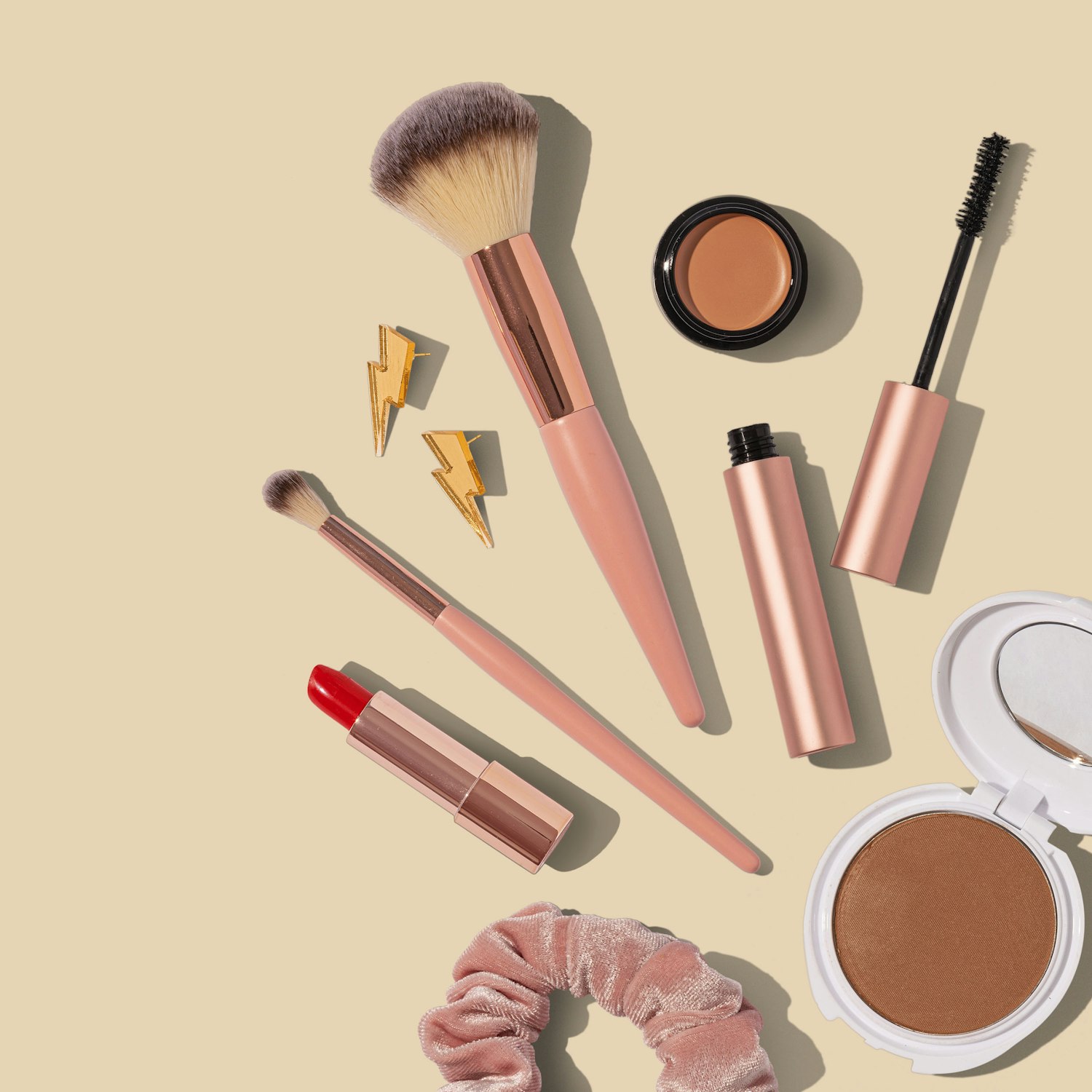
Powder blush is a product designed for a different climate. It sits on top of the skin, relies on sebum or setting spray to bind, and in dry air it either refuses to blend or settles into a fine dusting that vanishes by midday.
Los Angeles is a dry city with strong sun. That is close to the worst possible environment for powder cheek colour, which is why cream and liquid formats have taken over here.
Why cream behaves differently
Cream blush is an emulsion of pigment in oils, waxes or silicones. Instead of sitting on the surface, it partially merges with the skin’s own lipid film. The result is colour that looks like it is coming from underneath rather than applied on top.
Two practical consequences:
- It does not dry out and crack the way powder does in low humidity.
- It does not disappear when you touch your face, because there is no loose layer to remove.
The trade-off is that cream blush has a learning curve. It is more pigmented, it sets faster, and it can lift foundation if you apply it wrong.
Placement and technique
Fingers first. The heat of your fingertips melts the formula and gives the most natural finish. Tap, do not drag. Dragging lifts whatever is underneath.
Blend upward and outward. Start at the apple of the cheek and blend toward the temple. Downward strokes read as sagging on most faces.
One dot at a time. Cream blush is concentrated. Start with a pinhead amount on each cheek and add. It is much easier to add than to remove.
Order matters. Cream blush goes on after foundation and before setting powder. If you powder first, the blush will sit on top and look chalky.
Matching to undertone
The single most useful rule: match the blush family to what your skin already does when you are warm.
| What your skin does | Try |
|---|---|
| Flushes pink | Rose, berry, cool pink |
| Flushes peach | Coral, apricot, warm peach |
| Flushes red | Brick, muted terracotta |
| Barely flushes | Anything; you have the most range |
If you have deeper skin, highly pigmented cream formulas are essential. Sheer formulas disappear entirely, and the “buildable” claim rarely survives contact with melanin-rich skin.
Three ways to wear it
Barely there. One dot, blended over the cheekbone. This is the look that reads as good skin rather than makeup, and it is the most useful for daytime.
Monochrome. Same product on cheeks, lips and eyelids. This is the fastest coherent look in existence and it works with almost any formula.
Layered. Cream blush first, then a light dusting of powder blush in a similar tone on top. The cream provides the base colour, the powder extends wear. This is the technique that makes blush survive a full day.
Common mistakes
- Applying after powder. The blush sits on top and looks patchy.
- Using a brush with a cream formula. Brushes absorb most of the product and distribute unevenly. Fingers or a damp sponge work better.
- Too much product. Cream blush is roughly three times as pigmented as powder. Start with a third of what feels right.
- Skipping the setting step. A light setting spray over cream blush extends wear significantly without making it look dry.
On longevity
Cream blush lasts well on normal and dry skin. On oily skin it can migrate, especially in heat. For oily skin, a liquid formula with a setting spray performs best, or a cream set with a very light powder in the same tone.
We have not run controlled wear tests. These recommendations come from formulation logic and standard technique rather than measured results.
Where to spend
Cream blush is one of the categories where the inexpensive option is genuinely competitive. The pigment-to-emulsion ratio is simple chemistry, and drugstore cream blushes frequently match premium ones on performance.
Spend on: a shade you will actually wear every day. Most people own too many blushes and use two.
Save on: brushes — you do not need one for this format.
Links here go to retailer search results; check current pricing, since blush is one of the most heavily discounted cosmetics categories.
Tested Glow may earn a commission from links on this page. No brand reviewed this article before publication.
Frequently asked
Cream blush or liquid blush?
Cream gives more control and works for most skin types. Liquid is more pigmented, spreads further, and suits oily skin better. Both are fine; cream is easier to learn on.
How do I stop cream blush lifting my foundation?
Apply it with fingers using a tapping motion rather than dragging, and do it before any setting powder. If your foundation is very matte, a tiny amount of moisturiser on the fingertip helps the blush glide.
Can I use cream blush on my lips?
Yes, most are safe for lips and give a soft stain. Check the ingredient list first — some contain pigments not approved for lip use in the US.