Line Work
Eyeliner That Survives the Day, by Eye Shape
Hooded, monolid, deep-set and almond eyes need different liner placement. Most tutorials assume one shape and it isn't yours.
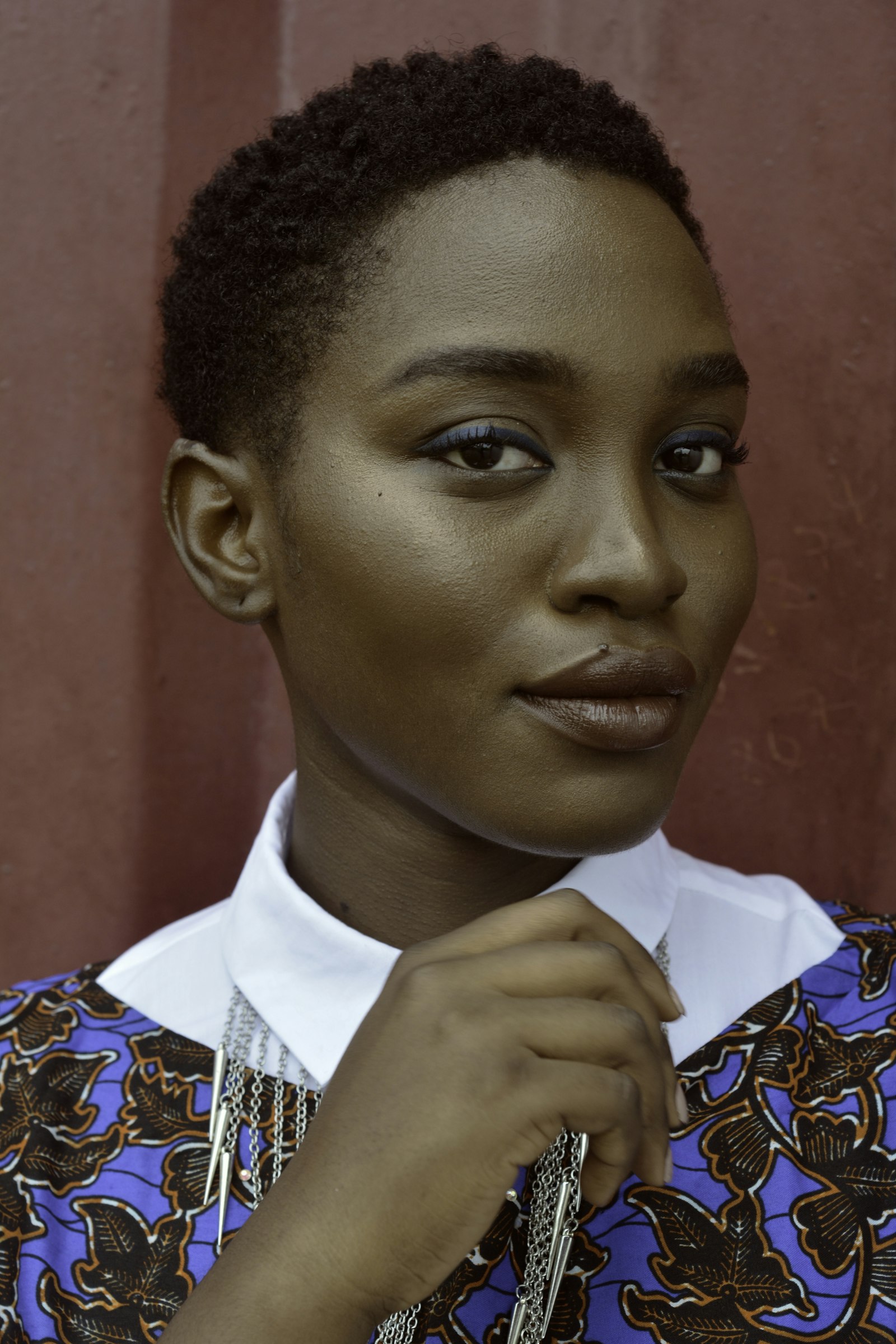
Eyeliner failure is usually not a formula problem. It is a placement problem, and placement depends on eye shape — which most tutorials assume is almond.
Placement by shape
Hooded eyes. The fold covers the lash line when open. A thick line disappears and transfers. Solution: thin line at the lashes, and focus the thickness on the outer third where the hood lifts.
Monolid eyes. No visible crease. Liner reads best as a soft smudge along the lash line with the flick built from the outer corner, not lifted from the crease.
Deep-set eyes. The brow bone recedes. Liner can disappear into shadow; a slightly thicker line and a highlight on the inner corner brings the eye forward.
Almond eyes. The most forgiving. Most placements work; the classic is a thin line with a small wing.
Downturned eyes. The outer corner points down. A wing angled slightly upward from the outer corner lifts the appearance; following the natural line reinforces the downturn.
Formula by use
| Form | Best for | Weakness |
|---|---|---|
| Pencil | Waterline, smudging, beginners | Transfers on oily lids |
| Gel pot + brush | Precision with forgiveness | Requires a brush |
| Liquid pen | Graphic lines, wings | Cracks, unforgiving |
| Liquid dip | Sharpest wings | Hardest to control |
| Powder + angled brush | Soft definition | Shortest wear |
For most people, a gel pot or a good pencil covers everything. Liquid liner is a specialist tool for a specific look.
Making it last
- Prime or powder the lid. Oil is the enemy.
- Set pencil with a matching eyeshadow. This doubles wear time.
- Do not line the waterline with a creamy formula if you want it to stay — use a waterproof pencil.
- Avoid lining the entire waterline if your eyes water easily; it migrates.
On the waterline
A dark waterline makes eyes look smaller and more defined; a nude or white waterline makes them look larger and more awake. Both are legitimate; neither is universally “correct”.
If your eyes are sensitive or you wear contacts, skip the waterline entirely.
Removal
Waterproof liner needs an oil-based or biphasic remover. Soap and water will leave residue that causes irritation and, over time, lash loss from rubbing.
Soak a cotton pad, hold it on the closed eye for ten seconds, then wipe downward. Rubbing is what damages lashes.
Bottom line
Match placement to your eye shape, choose a formula for your lid type, and set pencil with powder. The liner is rarely the problem.
Links on this page go to retailer search results — check whether the formula is waterproof if you intend to use it on the waterline.
Tested Glow may earn a commission from links on this page. No brand reviewed this article.
Frequently asked
Why does my eyeliner transfer to my upper lid?
Hooded eyes fold over the lash line. A transfer-proof formula plus a thin line placed closer to the lashes, or a soft smudged line instead of a graphic one, solves most of it.
What is the most forgiving eyeliner form?
A pencil. It can be smudged, corrected, and applied to the waterline. Liquid liner is the least forgiving and the most likely to crack.
Does primer help?
For hooded and oily lids, yes. A small amount of eye primer or a dusting of translucent powder on the lid prevents most transfer.