After the Sun
Body Care Routine for Post-Sun Skin
After a day outdoors in Los Angeles, skin needs cooling and hydration more than it needs actives. A short, practical sequence for the evening after.
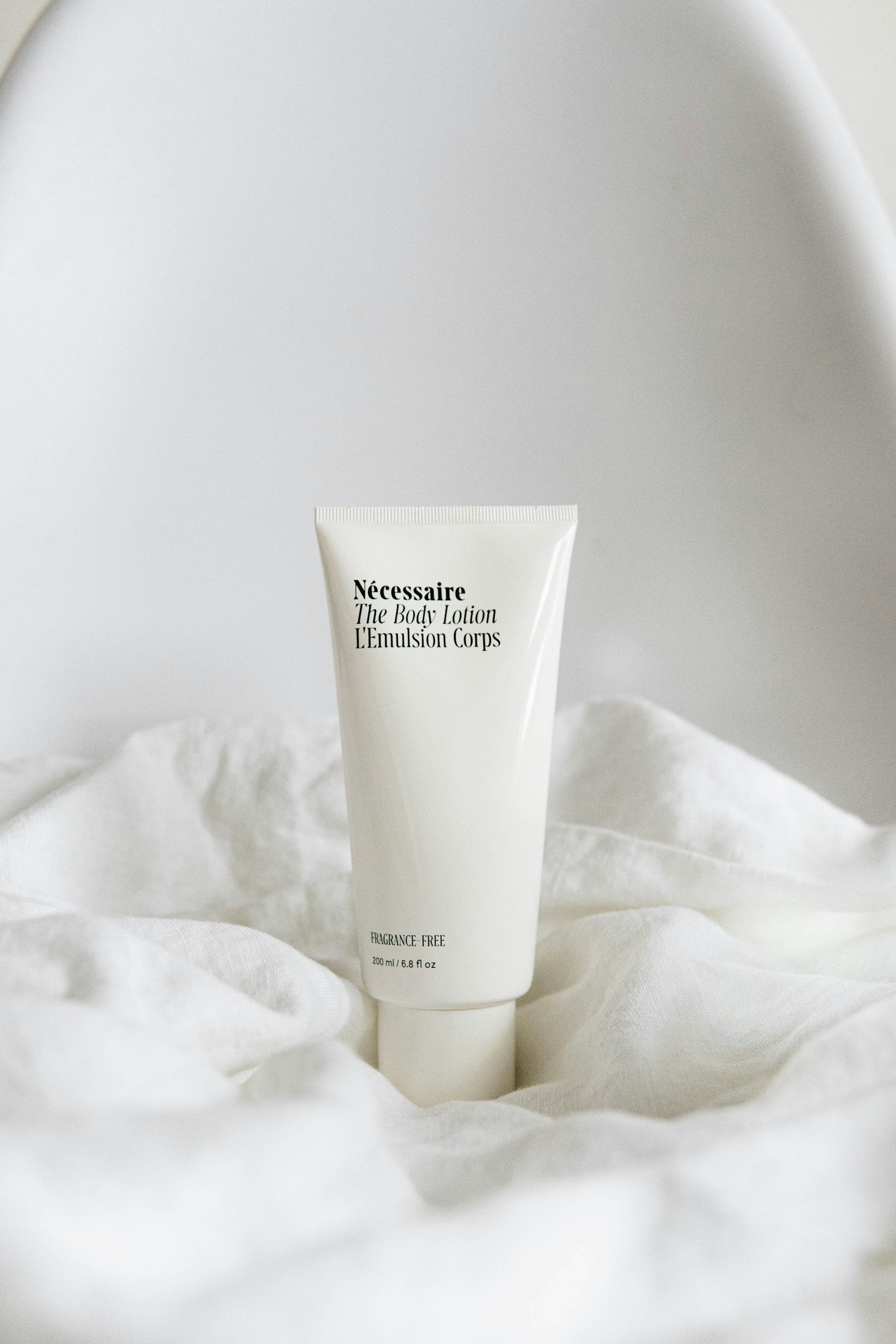
A day outside in Los Angeles — the beach, a hike, a long lunch on a patio — leaves skin in a specific state. It is warmed, dehydrated, slightly inflamed, and its barrier is temporarily less effective at holding water.
The instinct is to apply something active. That is usually the wrong instinct.
What sun exposure actually does
UV radiation causes two things relevant here.
Immediate effects: vasodilation (the redness), fluid shifts, and a temporary increase in transepidermal water loss. The barrier is compromised for roughly 24 to 72 hours after significant exposure.
Cumulative effects: DNA damage, collagen degradation and pigment production. These are not addressed by anything you apply that evening.
So the evening routine has one job: support the barrier while it recovers. Not repair damage, not prevent pigmentation (that ship has sailed for today), not “detoxify”.
The sequence
1. Cool the skin first
A lukewarm shower, not cold. Very cold water causes vasoconstriction that feels good but does not help, and it can be uncomfortable on sensitised skin.
Pat dry rather than rubbing. The barrier is fragile right now.
2. Skip the actives
No retinoids, no acids, no vitamin C, no exfoliants. For 24 to 48 hours after significant sun exposure, these will sting and will not help. This is the most common mistake — people reach for brightening products the same evening, and end up with irritation on top of sun damage.
3. Hydrate with humectants
Glycerin, hyaluronic acid, panthenol. Apply to damp skin immediately after the shower. The goal is to get water into the upper layers while the barrier is temporarily leaky.
4. Seal with a simple occlusive
A fragrance-free moisturiser with ceramides or petrolatum. Body lotion is fine if it is unfragranced. This is the step that actually reduces water loss overnight.
5. Aloe, if you want it
Plain aloe vera gel is cooling and has mild anti-inflammatory properties. Check the label: many commercial products contain alcohol denat, which is drying and counterproductive. Pure aloe with a preservative is what you want.
6. Drink water
Dehydration is systemic, not just cutaneous. This is not a skincare step, but it matters more than any product on this list.
What to avoid
| Avoid | Why |
|---|---|
| Exfoliating scrubs | Abrade an already-compromised barrier |
| Retinol and acids | Sting, irritate, no benefit that day |
| Fragranced lotions | Fragrance is the most common contact irritant |
| Hot baths | Increase vasodilation and water loss |
| Tight clothing over burned areas | Friction plus heat |
| “Tan extending” products | Mostly marketing; some contain irritating actives |
The next morning
Sunscreen, without negotiation. Sun-exposed skin is more vulnerable for days afterward, and a second burn in the same week compounds damage significantly more than the first.
If you are peeling, do not help it. Peeling is the skin shedding damaged cells; picking at it removes healthy skin underneath and can cause pigmentation.
On the “after-sun” product category
Most after-sun products are cooling gels with a moisturising base. They feel good and provide modest benefit. They are not meaningfully different from a basic unfragranced moisturiser applied to damp skin, which costs less.
Worth paying for: an unfragranced ceramide body lotion that you will use generously.
Not worth paying for: anything marketed as “repairing DNA” or “reversing sun damage”. No topical product does this.
A note on LA-specific exposure
The UV index here stays above 5 for most of the year, and it is frequently 8 to 10 in summer. It is also higher at elevation and near water, both of which are an hour’s drive from most of the city.
The practical implication: sun exposure here is often longer and less intentional than people expect. A two-hour hike at Malibu Creek in July is a meaningful UV dose, even with sunscreen.
Links on this page go to retailer search results — check the ingredient list for fragrance and alcohol before buying a body lotion for post-sun use.
Tested Glow may earn a commission from links on this page. This article is general guidance, not medical advice. Serious sunburn should be assessed by a clinician.
Frequently asked
Does after-sun lotion actually repair sun damage?
No product reverses UV damage. After-sun products reduce heat, restore moisture and calm inflammation, which supports the skin's own repair process. Actual DNA damage repair is not something a lotion does.
Should I use aloe vera gel?
It is cooling and soothing, which is genuinely useful. Plain aloe with no added fragrance or alcohol is fine. Many commercial aloe gels contain drying alcohol, which defeats the purpose.
When should I see a doctor for a sunburn?
Blistering over a large area, fever, chills, dehydration or severe pain are medical, not cosmetic. Extensive blistering increases infection risk and should be assessed.