Where to Spend
Salon Treatment vs. Home Device: An Honest Split
Some treatments belong in a chair. Others genuinely work at home. The dividing line is usually power, not skill.
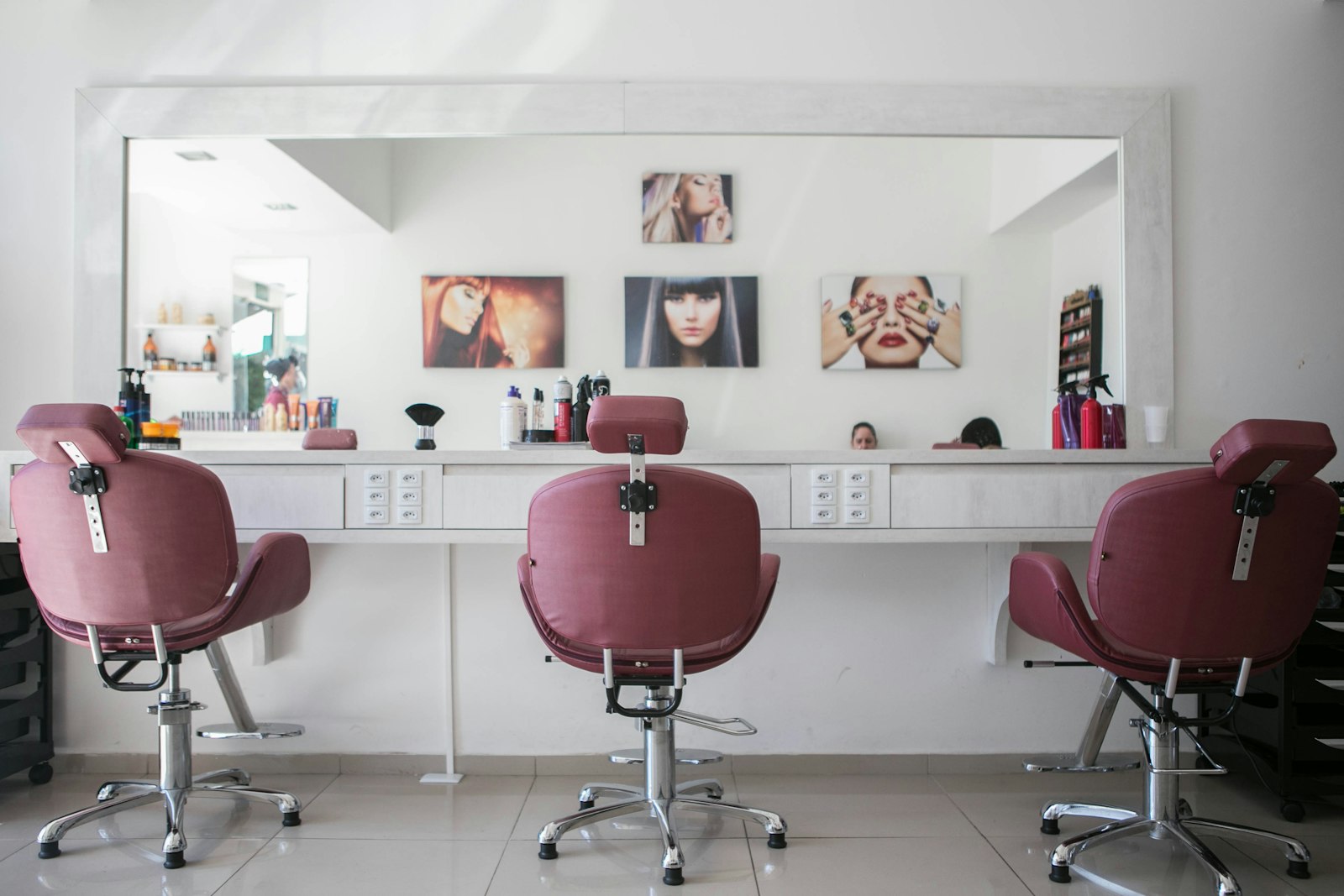
The beauty industry sells two versions of almost everything: the professional treatment and the home device that claims to replicate it. Sometimes the claim is reasonable. Often it is not.
The dividing line is not skill. It is power, dose, and the consequences of getting it wrong.
What genuinely works at home
IPL hair removal. Home devices deliver enough energy to affect follicles over a full protocol. This is a real category, not a gimmick.
LED light therapy. Lower dose than professional, but the mechanism is the same and results accumulate with frequency.
Microcurrent. Lower intensity than professional treatments, and the effect is temporary either way.
Sonic cleansing. Mechanical exfoliation does not require professional power to work.
Hair styling tools. A good flat iron at home is genuinely close to what a salon uses.
What does not
Laser resurfacing. Fractional laser is a wounding procedure. Home devices claiming “laser-like” results are using LED or IPL, not laser.
Medium and deep chemical peels. Concentration and pH control matter enormously, and neutralisation timing is not something to learn from a video.
Microneedling beyond 0.5mm. Deeper needles risk scarring and infection, and require sterile technique. Home rollers at 0.2–0.5mm are a different, much safer category.
Professional-strength LED. The dose gap is real. A salon session delivering 100 J/cm² cannot be replicated by a 20-minute home session at a tenth of the irradiance.
The dose argument, plainly
Most device categories come down to dose. Professional equipment is bigger, hotter, brighter, or more powerful because it can be — it operates under supervision with training and liability cover.
Home devices are limited by safety regulation, which is appropriate. The question is not “is it the same” but “is the reduced dose still enough to do anything”.
For IPL, LED and microcurrent, the answer is: yes, over more sessions.
For laser resurfacing and deep peels, the answer is: no, because the mechanism requires wounding.
Where the money goes furthest
If you are choosing between a home device and periodic salon treatments, the calculation is roughly:
| Option | Cost | Frequency | Notes |
|---|---|---|---|
| Salon facial, monthly | $120–200/session | Monthly | Skilled hands, professional products |
| Home LED mask | $200–400 once | 3–5×/week | Requires consistency |
| At-home IPL | $250–500 once | Biweekly, then maintenance | Works on the right hair/skin |
| Salon laser package | $800–2,000 | 6–8 sessions | Higher dose, professional supervision |
A home device is cheaper per session but requires you to be the operator and the scheduler. The failure mode is abandonment, not ineffectiveness.
The rule of thumb
If the treatment cannot hurt you when done wrong, home is fine. Cleansing, LED, massage, styling.
If it can — burns, scarring, pigment damage — pay someone. Peels, laser, deep needling.
Bottom line
Home devices work in categories where dose can be reduced without eliminating the effect. They do not work where the mechanism depends on controlled wounding. Buy home for maintenance and convenience; pay a professional for anything with a real risk of harm.
Links on this page go to retailer search results; check professional-vs-consumer specifications rather than marketing claims of equivalence.
Tested Glow may earn a commission from links on this page. This is general guidance, not medical advice.
Frequently asked
Are home LED masks as good as salon treatments?
No, generally. Professional devices deliver higher irradiance, so a 20-minute session delivers more dose. Home masks need more frequent sessions to approximate the same total.
Can I do chemical peels at home?
Superficial peels with low-percentage acids, yes. Anything above about 20% TCA, or any peel requiring neutralisation, belongs with a professional.
Is at-home laser hair removal safe?
IPL devices are safe for the right skin and hair combination. Actual laser is a different technology and is not sold for home use in most markets.