Below the Roots
Scalp Care Is Skin Care: Where to Start
Flaking, itching and buildup are scalp problems, not hair problems — and treating them like hair problems is why they persist.
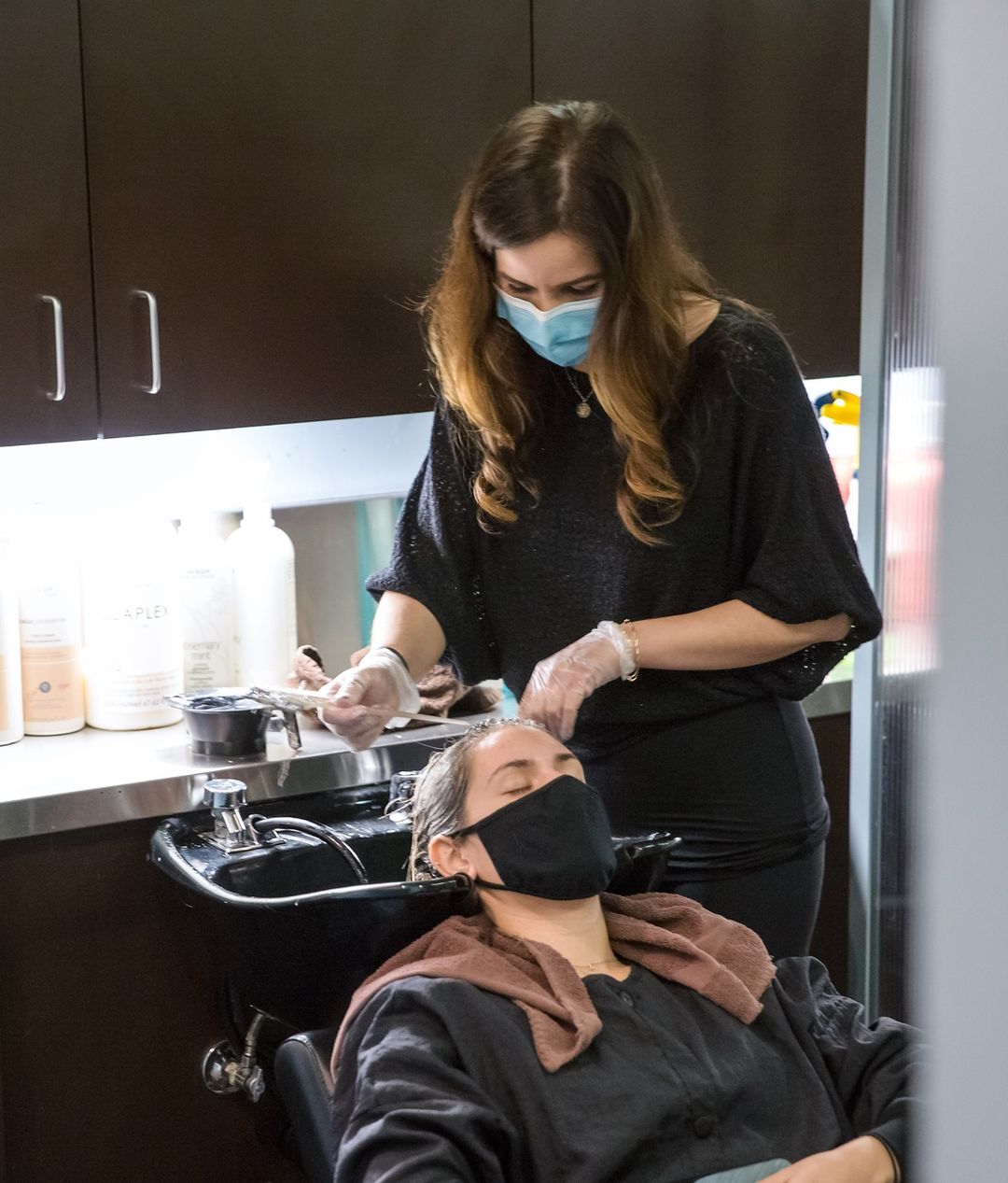
The scalp is skin. It has the same barrier structure, the same microbiome and the same inflammatory responses as the face. But most people treat it as an accessory to hair — something to be washed incidentally, covered with product, and ignored until it itches.
That framing is why scalp problems persist. Flaking gets treated with heavy oils. Itching gets treated with more washing. Buildup gets treated with stronger shampoo. Each response addresses a symptom while possibly worsening the cause.
Identify what you actually have
Before buying anything, work out which of these you are dealing with. They look similar and have different treatments.
| Condition | Appearance | Typical cause | Approach |
|---|---|---|---|
| Dandruff | White or yellowish flakes, often on shoulders | Malassezia yeast overgrowth | Antifungal active (zinc pyrithione, ketoconazole, selenium sulfide) |
| Seborrheic dermatitis | Greasy yellow scale, redness, often at hairline | Yeast plus inflammation | Medicated shampoo; see a doctor if persistent |
| Dry scalp | Fine white flakes, tight feeling | Barrier disruption, over-washing, cold dry air | Gentler cleansing, less frequent washing, moisturising |
| Buildup | Dull hair, coated feeling at the roots | Silicones, heavy oils, insufficient rinsing | Clarifying shampoo, occasional |
| Contact irritation | Itching, redness after a new product | Fragrance, preservative, surfactant | Stop the product; simplify |
Getting this wrong is the most common reason a scalp routine fails. Antifungal shampoo will not fix a dry scalp. A moisturising mask will make dandruff worse.
The baseline routine
Wash the scalp, condition the ends. Shampoo belongs on the scalp, where sebum and product accumulate. Conditioner belongs on the mid-lengths and ends, where moisture is needed. Applying conditioner to the scalp is a reliable way to create buildup.
Use lukewarm water. Hot water strips the scalp barrier and increases irritation.
Massage with fingertips, not nails. Nail scratching creates micro-tears that invite irritation.
Rinse longer than you think. Product residue is a major cause of itching and flaking that gets misattributed to dryness.
Wash enough. People with oily scalps often try washing less to “train” the scalp. This works for some, but for many it just produces buildup and irritation.
Actives that actually have evidence
Zinc pyrithione. Antifungal, well tolerated, available over the counter. Effective for dandruff.
Ketoconazole. Stronger antifungal, available at 1% over the counter in some markets and 2% by prescription. The most effective single ingredient for seborrheic dermatitis.
Selenium sulfide. Antifungal and keratolytic. Effective but can be drying and can discolour light hair.
Salicylic acid. Exfoliating. Useful for scale and buildup, not for the underlying yeast.
Coal tar. Effective but unpopular due to smell and staining; a last resort.
For a first attempt at dandruff: a zinc pyrithione shampoo used three times a week for two weeks, left on for five minutes before rinsing. If nothing changes, see a dermatologist rather than escalating to stronger products blindly.
What does not work
Heavy oils on a flaky scalp. Oil feeds Malassezia. Coconut oil, a popular scalp treatment, can worsen dandruff for exactly this reason.
Physical scrubs on inflamed skin. Micro-tears plus inflammation is a bad combination.
“Detox” claims. The scalp does not need detoxing. It needs appropriate cleansing.
Growth serums as a first purchase. Fix the scalp environment first. Hair growth is downstream of scalp health, not a separate problem.
Los Angeles specifics
Two local factors matter.
Sun exposure on the scalp. Parting lines and thinning areas burn. A scalp SPF or a hat is worth the effort here more than in most cities.
Hard water. Mineral buildup on the scalp produces a coated feeling that mimics product buildup. A chelating or clarifying wash once a month helps if you notice the same shampoo working less well over time.
When to see a professional
Persistent flaking that does not respond to two weeks of antifungal shampoo, patches of hair loss, significant redness or pain, or any scalp condition in a child — these are medical, not cosmetic.
What to spend on
Spend on: a medicated shampoo if you have dandruff or seborrheic dermatitis. These are inexpensive and genuinely effective, and generic versions work.
Save on: scalp serums, scalp masks, and scalp-specific moisturisers. Most of the category is optional.
Links on this page go to retailer search results rather than fixed listings. Check the active ingredient and percentage on the listing, since packaging varies by market.
Tested Glow may earn a commission from links on this page. This article is not medical advice; persistent scalp conditions should be assessed by a dermatologist.
Frequently asked
How often should I use a scalp scrub?
Once every one to two weeks at most. Physical scrubs on inflamed scalp make things worse. If you have active flaking or redness, treat that first.
Is dandruff caused by dryness?
Usually not. Dandruff is typically driven by Malassezia yeast overgrowth and sebum, not dryness. This is why heavy oils and moisturising treatments can make it worse rather than better.
Do scalp serums work?
Some do for specific concerns — niacinamide and caffeine have reasonable evidence for oil control and circulation. Most 'growth' serums have weak evidence. Treat them as optional, not foundational.