Curl Logic
Wash Day for Curly Hair in a Dry Climate
Low humidity is unforgiving to curl patterns. A practical wash-day sequence built around water retention, protein balance and gentle drying.
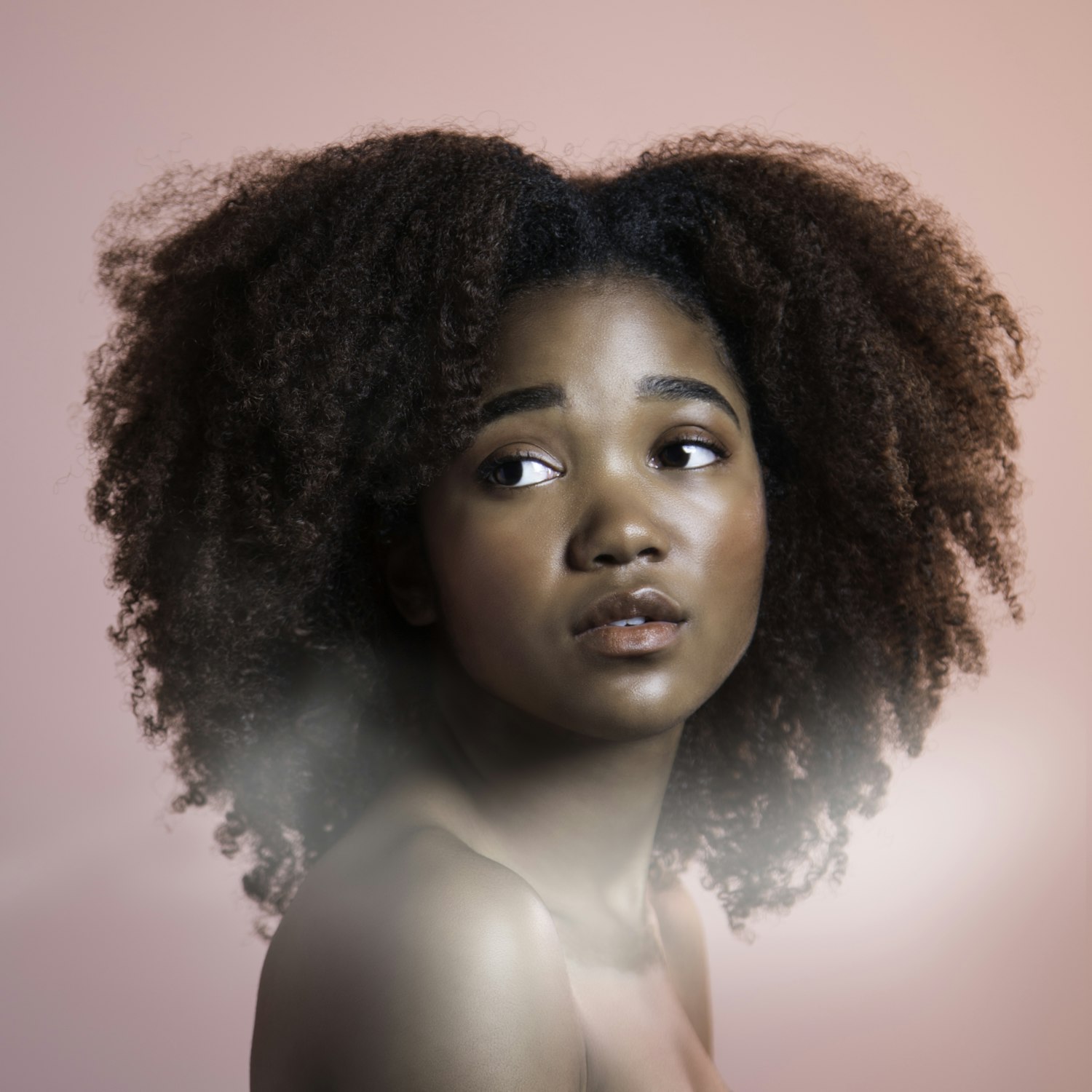
Curly hair holds less water than straight hair. The spiral structure makes it harder for sebum to travel down the strand, which means the ends are drier, and the cuticle is more raised by nature, which means water escapes faster.
In a city with 20 percent humidity and strong sun, that difference compounds. Curls that look defined in a bathroom mirror can be a frizzy cloud by the time you reach your car.
Wash day is where this is either managed or made worse.
Before you start
Water temperature. Lukewarm to cool. Hot water swells the cuticle, lifts it, and accelerates both moisture loss and colour fade.
Detangle before washing, not during. Dry-detangle with fingers and a wide-tooth comb, working from ends upward. Detangling wet, product-laden curls causes breakage.
Accept the time. A proper wash day takes 25 to 40 minutes for most curl types. Shortcuts produce frizz.
The sequence
1. Pre-poo (optional but useful here)
An oil or conditioner applied 20 minutes before washing protects the ends from surfactant stripping. Coconut oil, olive oil or a cheap conditioner all work. In a dry climate, this step makes the biggest difference for high-porosity hair.
2. Cleanse gently
Two options:
- Co-wash — a cleansing conditioner. Best for dry, coily and high-porosity hair. It removes product without stripping.
- Low-sulfate shampoo — best if you use heavy stylers or have an oily scalp.
Shampoo the scalp, not the lengths. The runoff cleanses the ends.
3. Condition generously
This is where you can be wasteful and it pays off. Apply conditioner to soaking-wet hair from the mid-lengths down, then detangle with fingers, then a comb.
Leave it on for three to five minutes. Rinse with cool water to close the cuticle.
4. Apply leave-in to hair that is still dripping
This is the single most important step in a dry climate. Apply leave-in to hair that is genuinely wet — not damp. Wet hair absorbs product evenly; damp hair produces clumps and uneven distribution.
5. Seal and define
Layer a cream styler over the leave-in, then a gel if you want hold. The order matters: water-based first, then cream, then gel. Applying gel last creates the cast that protects the curl while it dries.
6. Dry without touching
- Microfibre towel or T-shirt: scrunch upward, do not rub.
- Diffuser on low heat, low speed: hover, do not press the diffuser into the hair.
- Air dry: best result, worst timing.
Do not touch the hair while it dries. Every touch creates frizz.
7. Break the cast
Once fully dry, scrunch the hair to break the gel cast. This is what turns a stiff, sculpted look into soft defined curls.
Protein and moisture balance
Most curl problems trace back to an imbalance between protein and moisture.
| Symptom | Likely imbalance | Response |
|---|---|---|
| Hair feels mushy, stretches and breaks | Too much moisture, too little protein | Protein treatment |
| Hair feels straw-like, snaps without stretching | Too much protein | Deep moisturising mask |
| Frizz that will not settle | Usually moisture, sometimes buildup | Clarify, then deep condition |
| Limp curls | Buildup or over-conditioning | Clarifying shampoo |
In dry climates, most people are on the moisture-deficient side, but protein overload is common among people who use bond-repair products weekly.
Hard water and buildup
Los Angeles water is moderately hard. Minerals accumulate on the cuticle and produce a dull, rough surface that no amount of conditioner fixes.
A clarifying shampoo once a month — or a chelating treatment if your hair feels coated — resets the situation. This is especially relevant if you notice the same shampoo working differently after a few months.
What to spend on
Worth paying for: a leave-in and a gel that suit your porosity. These are the products that determine the result.
Save on: shampoo. It rinses off; the difference between a $10 and a $40 shampoo is smaller than marketing suggests.
Skip: curl creams that promise “definition plus hold” in one step. They usually do neither well. Two products in the right order beat one product trying to do both.
We have not run controlled curl testing. These recommendations come from standard textured-hair practice and formulation characteristics.
Links here go to retailer search results; check current pricing, and check the ingredient list for the protein and humectant content rather than the front label.
Tested Glow may earn a commission from links on this page. No brand reviewed this article.
Frequently asked
How often should I wash curly hair?
Every five to seven days works for most people with textured hair. Very dry or coily hair can stretch to ten days; fine wavy hair often needs every three to four days. Scalp comfort is the deciding factor, not the curl pattern.
Should I use a towel on my hair?
Use a cotton T-shirt or a microfibre towel. Terry cloth towels create friction that breaks up curl clumps and causes frizz, which is worse in dry air.
Why does my hair feel dry right after washing?
Usually over-cleansing, water that is too hot, or a lack of leave-in product. Hard water also contributes. Try a co-wash, cooler water and applying leave-in to soaking-wet hair.